
In the current era of technological advancement and technological innovation, industries around the globe have witnessed a radical change in the way they operate. Robots and automation are employed by the major players across various industries to increase productivity, reduce costs and help gain competitive advantages on the market. At the center of this revolution is robotics, a realm that encompasses the creation, integration and installation of robotics solutions across many industries.
Understanding Robotics Applications
Robotics is an academic and engineering field that concentrates on robot design, construction, operation, and use. Robots are machines that complete tasks independently or under the guidance of a human. The machines are able to perform complicated or repetitive actions in difficult situations.
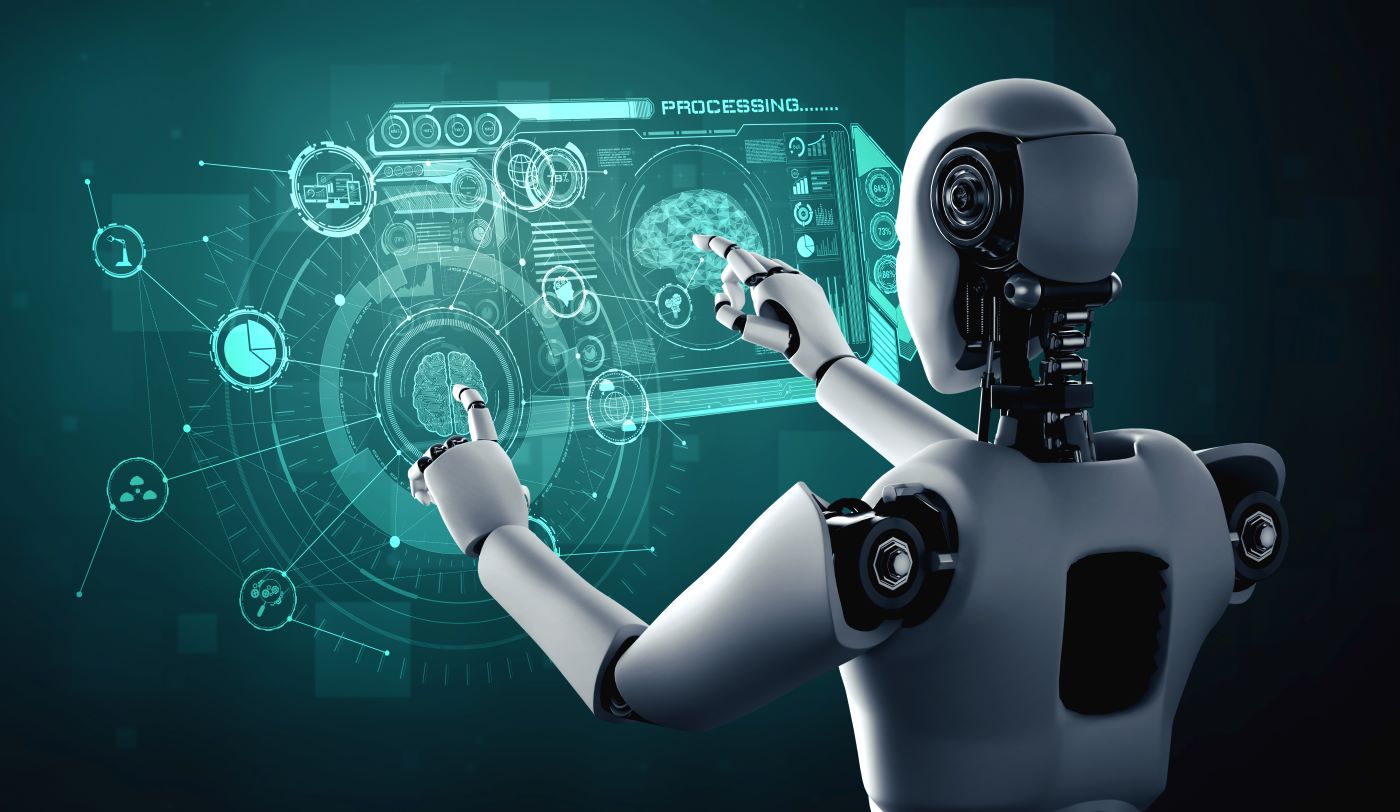
Robotics encompasses more than automation. It encompasses a range of technologies that are intended to revolutionize industries and enhance human lives. From manufacturing and healthcare to entertainment and logistics robots are advancing into various fields, and presenting an array of new possibilities.
The Automation Revolution: The Rise of Automation: A Paradigm Change
Automation, particularly robotic automation is at the center of the modern industrial revolution. Integrating automated systems into businesses has transformed how they function. This has improved processes and improved efficiency. Automation is the process of allowing robots or machines to do tasks without the involvement of humans, and using technology to increase efficiency, speed, and precision.
The process of utilizing robots to automate tasks previously completed by human beings. They are designed to imitate human actions and are therefore able to be used as assets across industries. Robots are revolutionizing our work practices when they’re making products in a factory or performing complicated surgeries in healthcare.
Robotic Process Automation is a revolutionary efficiency
Robotic Process Automation is a subset of the automation technology which involves using robots for automating repetitive and rules-based business tasks. RPA makes use of software robots, or “bots” to carry out routine operations. This allows human workers to focus on more difficult tasks.
RPA integration has emerged as an important factor in many industries and brings agility, cost-efficiency and precision to business processes. RPA changes workflows across various industries starting with data entry and progressing to the processing of invoices and HR functions.
Advancing Industries with Fanuc Robots
Fanuc is a prominent player in the field of robotics. They specialize in creating integration, installing, and integrating robots in a variety of industries. Fanuc robots are known for their reliability, precision, and versatility. They are used in a variety of industries.
Fanuc Robots are revolutionizing industries. These robots are engineered to increase throughput, keep the highest standards of quality, and increase overall productivity. Fanuc’s innovative solutions have been designed to improve safety by removing employees from potentially hazardous work.
The Fanuc Advantage: Enhancing Competitiveness
Fanuc robots give industries an edge in their market. Fanuc robots can boost efficiency and effectiveness, which can lead to a faster ROI. By automating repetitive and tasks that require labor, enterprises can shift resources to tasks that require innovative problem-solving and critical thinking.
Fanuc also offers robotized solutions that are customized to the particular requirements of every sector. The innovative approach of Fanuc in developing and deploying robots lets industries adapt quickly to the changing demands of markets, stay ahead of the competition, and achieve sustainable growth.
Future A glimpse
As technology continues to advance as it does, the world of robotics and automation is likely to continue to change. The future could see improvements in artificial intelligence, higher-quality sensors, and a greater degree of collaboration between robots, humans and other machines.
Conclusion The integration of robots with automation, like Robotic Process Automation (RPA) and Fanuc Robots, is revolutionizing industries and takes them into the future century. The gains from robotics enable firms to not only excel in today’s competitive world, but also pioneer new frontiers of innovation. As we are at the eve of a brand new era, the impact of robotics and automation will definitely continue to impact the environment we live in.