
Edge computing has been viewed as expensive and complex for a long time. It was often reserved only for large companies that had specialized hardware. This is now changing. Businesses across the UK are discovering that scalable and cost-effective solutions can produce powerful outcomes with a minimum of complexity.
At the center of this transformation is the rising of platforms that combine ease of use with scalability. Edge computing solutions that UK companies can now count on appear very different to traditional systems. In order to avoid relying on central servers, businesses are bringing processing closer where data is produced.
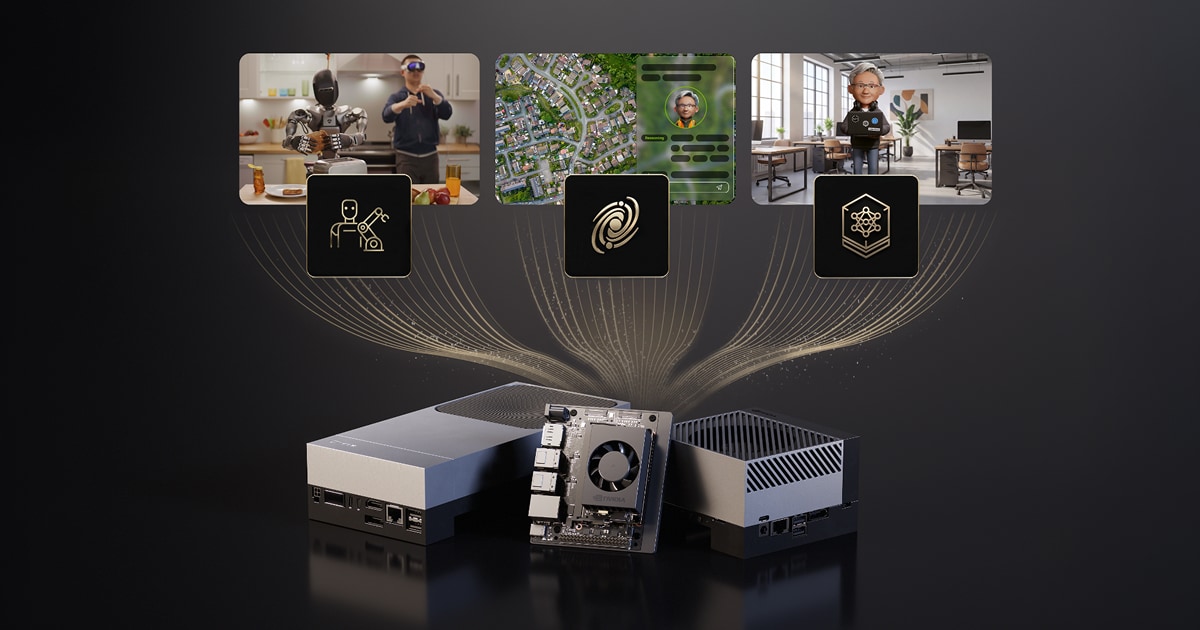
This change improves the speed of decision-making it reduces latency and allows the making of real-time decisions.
From Small Devices to Enterprise Systems
The Raspberry Pi’s popularity as a tool for education has been drastically transformed. Once a device for the hobbyist, it is now used in real-world environments in industries such as manufacturing, logistics and smart environments.
Through platforms like ScalerPi companies can turn a single device into part of a larger integrated system. The Raspberry Pi cluster production use model allows multiple units to work together, creating a distributed system capable of taking on complex workloads.
The technique allows for scaling from a simple prototyping to thousands of devices all working together.
Kubernetes on the Edge
Modern infrastructure often depends on containerized apps as well as orchestration tools. Kubernetes, one of the management tools which has become a standard in these environments, poses certain new challenges when operating at the edges.
An on-premise kubernetes solution provides a way to maintain control while still benefiting from the flexibility of container orchestration. Instead of completely relying on cloud services, businesses can deploy and manage local systems.
This balance lets organizations adapt their infrastructure to particular operational needs. ScalerPi helps bridge the gap by combining the hardware knowledge of ScalerPi with the latest software methods. This makes more advanced deployments more affordable.
The Reasons Data Sovereignty is Increasingly Important
Companies are becoming more aware of how their data is being stored and processed as regulations on data become more complicated. Cloud providers are usually external, which could raise concerns about compliance and oversight.
A cloud that is sovereign UK organizations can implement can help protect data from national borders while still delivering high performance. This technique ensures that sensitive data is protected and kept in compliance with local regulations.
Businesses can increase agility and accountability by integrating edge computing in the sovereign infrastructure. Data is processed near its source but is monitored.
Simple Deployments for Complex Systems
The administration of large numbers of devices poses a significant issue for edge computing. As deployments expand the need to maintain security, performance consistency, and consistency become more difficult.
ScalerPi solves this issue by providing a full-stack model that encompasses hardware supply, device management as well as consultancy. This integrated model simplifies the process, allowing teams to focus on their projects rather than the infrastructure.
A solution for edge computing that UK companies can trust will not require constant manual intervention. Instead, it must have tools to automatize procedures, track performance, and ensure the reliability of all devices.
Building Systems that Scale with Trust
Scaling from a single prototype to a full production environment requires careful planning. Each step presents new challenges, from choosing the appropriate hardware, software integration and ongoing maintenance.
This is made possible thanks to a Raspberry Pi cluster strategy that creates a framework to allow for growth. Businesses can expand at their own speed by expanding their devices or making adjustments without disruption to the system.
This flexibility is particularly valuable when businesses are experimenting with innovative technology or entering new markets.
Future driven by flexibility and Control
The future of infrastructure is shifting towards systems that are flexible capable of adjusting and enhancing efficiency. Businesses do not wish to be tied into rigid systems that restrict their capacity to invent.
Companies can have more control over their processes and data by using tools such as an on-premises kubernetes system and an UK sovereign cloud service. Combined with the scalability of Raspberry Pi clusters, these technologies help to build a foundation that can support long-term expansion.
Edge Innovation: A New Way to Move Forward
Edge computing is no longer just an new concept, but it is now a viable solution to today’s issues. Through the combination of affordable hardware and sophisticated software, companies can build systems that are strong and efficient.
ScalerPi assists businesses in bridging the gap between cloud technology and physical devices. It provides edge computing to all organizations through well-thought out design, reliable deployment, and a flexible structure.
As companies continue to explore the possibilities of distributed computing and distributed computing, their success will be determined by the capacity to scale their operations securely and efficiently.