
A fire extinguisher must be a standard item in every home. It is recommended to install them at every level of your house, and that includes the garage and kitchen area where it is possible to catch fires started by cooking mistakes or other accidents that might occur while you’re performing maintenance work outside like repairs around pipes etcetera. It’s not a good decision to let someone wander off from the house when they are trying to fix something.
The size of an extinguisher is crucial because it decides the quantity of chemicals you will need and this is contingent on the type of fire you’re fighting. It is important to choose one that meets your requirements. You need to consider not only the weight but also the type. There are two kinds of fire extinguishers, unloaded regular and Pressurized (high-pressure). Due to the dangers associated with high-pressure systems, which are not commonly used in civilian use, pressurization needs an additional safety Features Label. This label includes safety guidelines for handling.
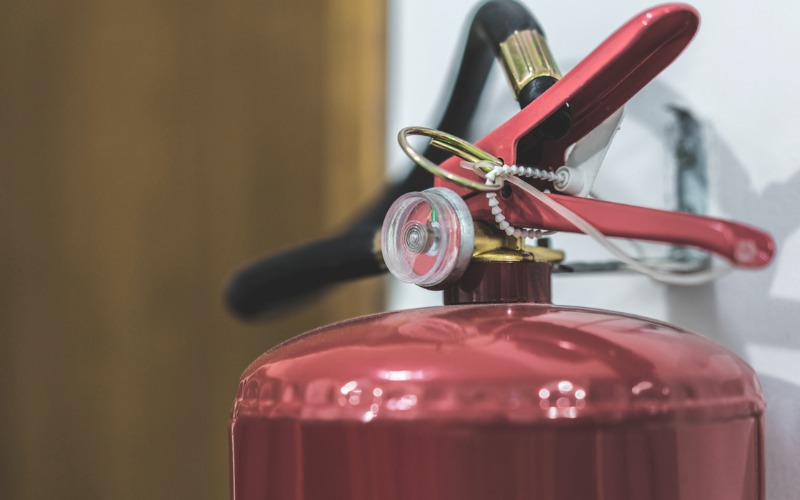
There are three types of fire extinguishers. They are used to extinguish flames of different types and classes. Class A includes material that is combustible, such as wood, paper and cloth. In contrast, Class B includes liquids that are flammable, such as oil or grease, but not gasoline, as it is an ignition source. If you have a problem that involves chemical reactions, category C is made up entirely of outgassing chemicals.
The extinguisher of Class C is for electrical fires. Most extinguishers make use of dry ammonium-phosphate. A few also employ halon which was taken out due to its detrimental impact on the earth’s surface layer. Even though these firefighting apparatus were specifically designed for homes when they first were created, you will still find them in high-end electronic equipment like televisions and computers.
A fire extinguisher can be employed to put out any kind of flame. Firefighters recommend all-purpose ARC and B: C kinds for home fires because they are more effective than other formulas when dealing emergency situations involving oil or grease It is important to not just use these two chemicals interchangeably because their reactions to different types of fire will vary greatly depending upon the type of fire you’re dealing with.
Firefighting is a complex task which requires the appropriate equipment. High-quality fire extinguishers can help in this process. They provide quick relief from fires of all kinds and kinds.
To gauge how these items perform to determine how they perform, a rating system was developed. Class A has approximately one gallon per class. Class B covers 2 square feet.
Fire extinguishers are an essential tool to have in your home, particularly if there’s likely to be an amount or kind of fire. They should be removed after 10 years. They may lose their pressure and can become dangerous.
For more information, click fire extinguishers