
For decades, Point of Sale POS was simply a small cash register that was concealed behind a countertop. But in today’s rapidly changing business environment, it’s evolved to become an intelligent, adaptable, and mission-critical platform that allows more than just transactions, but the entire customer experience.
The way people consume food, shop and engage with companies has drastically changed. Whatever field they are in, consumers expect flexibility, speed, and personalization. Modern POS systems are made to do much more than to ring the sales. They connect every aspect of a business into one system that is streamlined.
POS Systems are Business Intelligence Hubs
Point of sale has changed. It’s no longer about buying something however, it’s also about collecting data, optimizing your operation and enhancing customer relations. The point-of-sale POS system of the present does more than accept payments. It aids in analyzing the status of inventory and also monitor employee productivity. It generates actionable reports regarding sales, as well in determining buying patterns for various seasons or segments of customers.
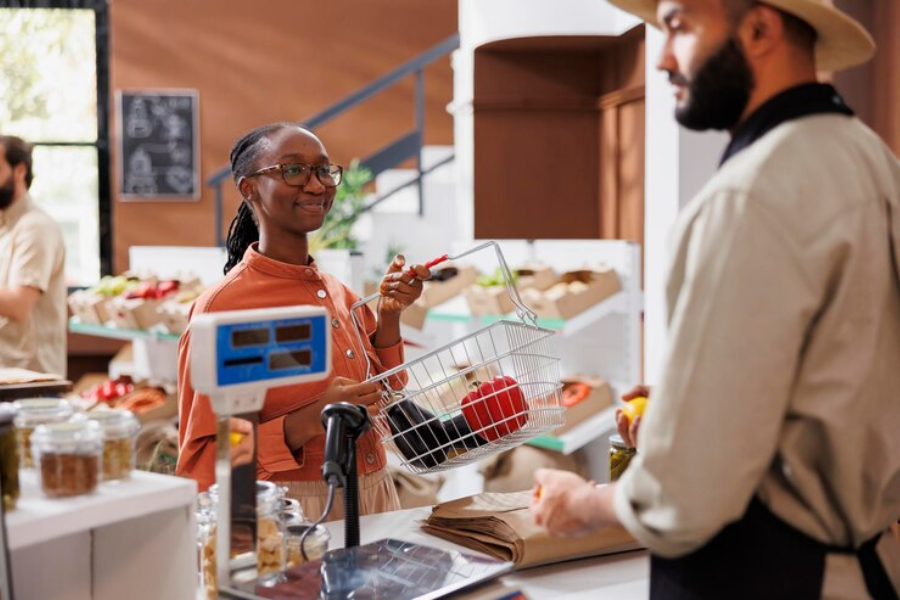
Take a look at a tiny retail store with a point-of-sale. Instead of having to manually count stocks or guessing what styles are in style The POS system automatically tracks top-sellers and provides alerts about low-stock and suggests reorders in light of current trends. The same owner, using cloud-based connectivity can check the daily performance of their store on their smartphone even when they’re away.
Industry-specific Flexibility
One of the main features of modern POS system is their versatility across different vertical markets. At one end, you have restaurants that need real-time order routing to kitchens along with tip tracking as well as tables-side payment options. On the other hand beauty salons are dependent on appointments, customer history as well as package management. These needs are vastly different and the most effective point-of-sale POS solutions are adapted to suit.
The two businesses are bonded by the need for intelligent automation and a simple. While bars may prefer tap-to pay terminals, hardware shops might concentrate on barcode scanning and inventory synchronization across departments, and a quick payment. A great POS point of sale system adapts to each without friction.
Integration of Payment Security and Processing
Security is no longer a luxury it’s a requirement. Companies that accept digital payment or cards should protect the data. Trustworthy point of sale POS systems are now equipped with payment integrations which support secure, end-to -end encrypted processing by using trusted names like Chase, Moneris, and First Data.
Integration extends beyond safety. It’s also about speed. Also, it’s about speed. With a single system that integrates transactions processing and sales tracking, businesses can close out faster, make reconciliations more efficient and reduce the stress of closing out.
Your business will grow with it instead of against it
Small-sized businesses, especially tend to not consider the importance of the ability to scale. Most start with simple setups which only to find months later that their POS can’t support multiple locations and loyalty programs or online ordering. Modern solutions are built for companies of all sizes whether they’re solely entrepreneurs or growing franchises.
Retailers particularly benefit from retailers in particular benefit from a POS system that syncs in-store purchases with online shopping platforms. This seamless integration ensures that inventory is always accurate. Customers enjoy a unified experience and business owners do not waste time juggling different systems.
Conclusion: A Smarter Sales Starts with the Point of Sale
The point-of-sale POS has grown from a simple tool for transactions. It’s now a fundamental part of how a business operates as it learns, grows, and adapts. Businesses that invest in a custom efficient, safe, and reliable point of sale systems improve not just their checkout processes as well as laying the foundations for digital success over time.
As customer expectations rise companies can’t afford to think of the POS as a last resort. In many ways, the real vitality of a modern business is in the place where sales are made.