
Understanding the costs of maintaining a septic tank is vital. When you’re planning to put in an entire new septic tank as well as leach field or to replace the one you have, knowing the expenses that are likely to be involved will help you budget your expenses and prevent any unexpected costs throughout the process. There are various factors that contribute to the septic replacement cost.
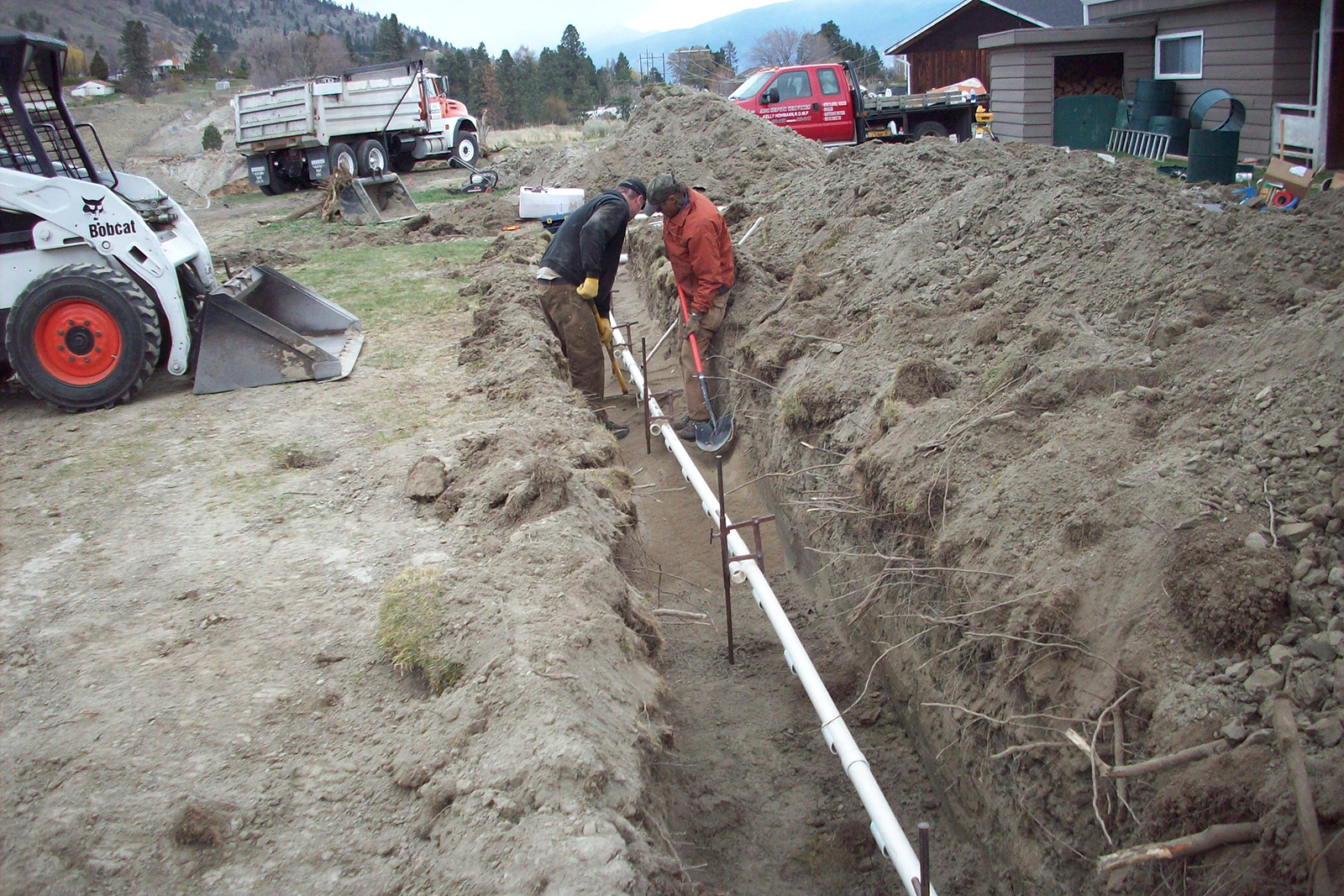
The price of constructing an septic tank and septic field can be affected by several aspects. The size of the septic system is among the most crucial factors to consider. larger homes or houses with a greater water use generally require bigger septic tanks and leach fields which will result in a greater total cost. The soil conditions and topography may affect the complexity of installation and cost. Challenging soil conditions may require an additional excavation or the use of special treatment systems, which can raise the costs.
The type of leach field as well as the septic tank you select will also influence the cost. Different types of materials and designs come with varying cost ranges. Concrete tanks are less expensive than other alternatives like plastic or fiberglass tanks. Advanced treatment systems and eco green alternatives can be expensive, but they provide benefits such as improved wastewater treatment or more water conservation.
The initial purchase of a septic system and leachfield is crucial but it’s also crucial to factor in the maintenance and replacement costs. The life span of a septic tank can be between 25 to 30 years, based upon the elements such as use and maintenance, the materials used such as materials, etc. With time, septic tanks may need repairs or replacement. It is important to consider not just the tank but also any upgrades and labor costs necessary to be in line with the latest regulations when calculating how much it will cost to replace the septic system.
The price of replacing the septic will vary depending on the size and design of the new tank, and also the difficulty of the installation process. In some instances, it might be necessary to dig up and dispose of the old tank before getting the site ready for installation. If regulations have changed since the first installation it is possible to incur additional costs to bring your new septic system up to date.
It is crucial to maintain your septic tank, and have it inspected on a regular basis. This will allow you to avoid unexpected costs and ensure that the process of replacing your tank goes smoothly. Regular inspections allow you to identify any potential issues and fix them promptly which will extend the life of your tank. Regularly pumping of the tank is essential to stop solids from building up and causing damage.
If you’re planning for replacing or installing a septic tank it is recommended that you obtain quotes from multiple reputable contractors. Comparing estimates will give you an idea of average prices in your locality and enable you to make an informed decision. Be sure to inquire about any warranties provided by the contractor regarding their work, or the materials used.
It is vital for homeowners and property owners to be aware of the price of a septic tank, as well as the total system. It is possible to budget for the replacement or installation of a leachfield and septic system by considering factors like the size, material, soil condition, and potential future costs. To extend the life of your septic tank while minimizing future costs, regular inspections, maintenance, and the proper care are crucial. Don’t forget that a properly functioning septic system isn’t only essential for the proper management of wastewater, but also adds value to your home.